Reblogged: A hilarious post about the perils of a creative writing teacher.
Top Ten Peeves of Creative Writing Teachers…

Chasing professional writing through deliberate practice.

Reblogged: A hilarious post about the perils of a creative writing teacher.
In my last post I talked about the self-doubting that can come creeping in when chasing your dream. And no doubt the risk of failure is probably bigger than the chance of success, but how slim are the odds of making it as a professional writer of fiction actually? If you are an amateur writer … Continue reading What are the Chances of Making a Living Writing Fiction?
I've been practicing my fiction writing skills for a couple of years now, and though it happens less and less frequently, self-doubt often comes knocking. Is this dream of making a living out of my hobby a vain pursuit? Am I too far behind to catch up to those who've practiced since they were kids? … Continue reading You can Achieve Anything, not Everything
So, yeah, I'm kind of bombed. I finally reached my goal of doing, on average, three hours of deliberate practice per day throughout an entire month. I should be happy. I should be smiling all over. I should celebrate achieving one of my major writing goals. And don't me wrong, I am happy. The thing … Continue reading March Stats – Goal Grabbing
The finalists for the 2018 Hugo Awards, one of the most prestigious awards in the world of speculative fiction, have been announced. One shouldn't put to much into a story being an award winner/nominee; it doesn't make the story any better or worse after all. But I still become all giddy waiting to seen who's … Continue reading The 2018 Hugo Finalist
As I've mentioned earlier, I feel ambivalent about presenting writing advice in list form because of the the finality it implies, the assurance that this isn't just advice but absolute truth. On the other hand, I love the nice, clean setup. So as I was in the middle of planning the story I hope to … Continue reading How to Win Writing Contests
If you want another view on deliberate practice and it’s importance in becoming good at something versus the importance of talent, I’ll suggest you look at this post which nicely sums it up.
Whatever the field we observe, there will be successful people in them. There will be the people who are the master of their craft and are considered to be the elite in that particular field. So, what is that makes them so and what is that they do differently from the masses?
This is what John Hayes, a cognitive psychology professor at Carnegie Mellon University, wanted to know.
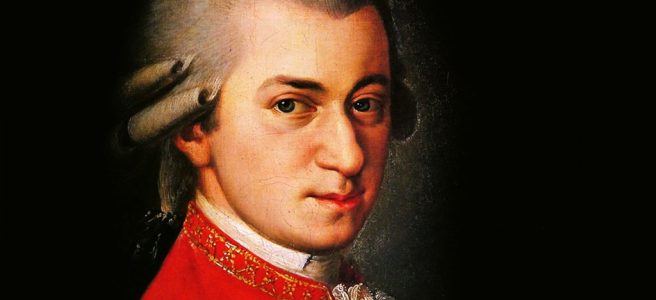
He studied the life of legends in music and other art forms like Mozart and Picasso and tried to figure out what they do differently and how long it took them to become world class.
He wanted to start by studying the legends in the music industry. He studied successful composers between the years 1685 and 1900. He wanted to find out how long after they became interested in music did they become world class, that is, how long before they produced…
View original post 980 more words
You can find the original post from the start of February here. Deadpool – The Complete Collection by Daniel Way: I actually liked the humor of the Deadpool movie and a friend off mine convinced me to try the comics too. I have to be honest though, the compilation I bought at least wasn’t really … Continue reading Updated Reading List for 2018
I'm writing this post because I suffered, to some extent, from the Dunning-Kruger effect in the beginning of my journey towards becoming a professional writer (I still might do, but I'm pretty sure it would be to a much lesser extend). And I think it's worth knowing about this sort of thing if you're … Continue reading The Dunning-Kruger Effect

I just stumbled across this excellent post on how to make sure you have strong, realistic character emotions in your writing that your readers can connect to. I hope you’ll enjoy as much as I did
 How do we breathe authentic, effective emotions into characters when writing a novel?
The emotions of characters inform every aspect of a novel. Emotion is what pulls readers in and keeps them hanging on every word of every page. The best fiction writers take readers on an emotional journey, one with emotionally complex characters that readers will be thinking about long after they’ve finished reading the book. Because of this, novel writing is only for those who are willing to work hard enough to create complex characters that believably portray complex emotions.
Writing a Novel with Authentic Emotion
A typical writer understands feelings – we’ve all had our share of grief, happiness, anxieties, fear, exhilaration, depression, love, hate, and so on. Much good comes from writing a novel when we take the feelings and experiences we’ve had and use them to understand and portray our characters emotions. Using our experiences…
View original post 1,705 more words


 Toby Backman